we can’t believe everything we think.
June 23, 2026
In yesterday’s post at Brian’s Home, Kiki mentions an upcoming vet visit and writes,
Hey, it won’t be too bad. I really don’t mind going in the car and I’m usually well behaved at the Vet place. I’ll still be on alert for the PTU to come out though.
I didn’t know what PTU stands for, so I asked ChatGPT, Claude, and Perplexity,
cat says,” I’m headed to the Vet for my annual checkup. Hey, it won’t be too bad. I really don’t mind going in the car and I’m usually well behaved at the Vet place. I’ll still be on alert for the PTU to come out though.” what does that mean?
ChatGPT wasn’t very helpful, but Claude wrote,
It’s a term used humorously in cat-owning communities, often written from the cat’s perspective, because cats tend to be *extremely* alert to the carrier coming out. They seem to understand it means a trip somewhere — usually the vet — and many will hide, resist, or make themselves scarce the moment they see it.
So the cat in your scenario is saying: even though this particular cat is unusually chill about car rides and vet visits, it’s still going to keep a watchful eye out for that carrier, because the PTU is the universal signal that something is *about to happen* — and self-respecting cats stay vigilant about that, no matter how relaxed they are otherwise.
It’s a charming little bit of cat humor — the carrier is treated like a threat-level indicator even by the most well-adjusted feline.
Perplexity knew where the question came from,
In that quote, “PTU” is playful cat-blog shorthand for “Prisoner Transport Unit,” meaning the dreaded cat carrier. [brianshomeblog]
The source of the phrase
The wording you quoted comes almost verbatim from a recent cat blog post titled “Sister Saturday with the Traveling Kiki,” where the cat narrator talks about going to the vet and says they’ll still be “on alert for the PTU to come out.” In that context, the author is clearly describing the carrier the humans bring out when it’s time for a vet trip. [brianshomeblog]
Why “PTU” = carrier
Many cat bloggers and online cat communities jokingly call the carrier the “Prisoner Transport Unit,” leaning into the idea that the cat is being “arrested” and hauled off against their will. So the cat is basically saying: “I’m okay with the vet, but I’m still watching out in case they bring out that awful carrier.” [brianshomeblog]
Which AI version do you prefer?
June 21, 2026
Peanuts
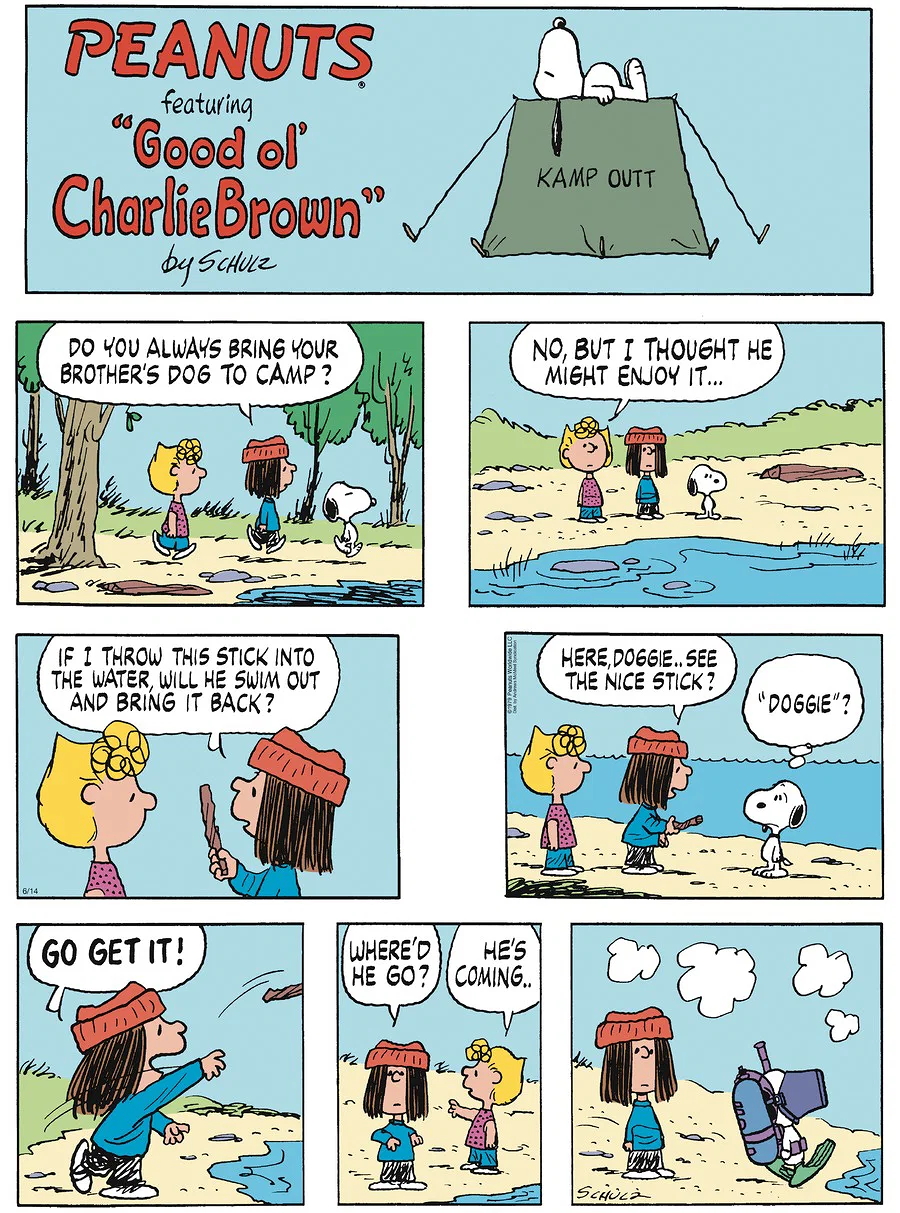
Click on image for higher resolution.
Snoopy is my hero. When Eudora accidentally belittles him, he doesn’t argue or get upset. He simply responds creatively on his own terms. He doesn’t have to say a word to get his message across.
I don’t know about you, but I can learn from that.
June 20, 2026
That was Stephen Covey’s fifth habit in The 7 Habits of Highly Effective People.
Yesterday’s post reminded me of him, so I asked ChatGPT what he would suggest about discussing political views. It wrote:
Start with genuine curiosity.
Build an emotional bank account.
Look for shared values.
Describe your view rather than argue for it.
Practice humility.
Aim for a “third alternative.”
If the other person remains unmoved, Covey would probably consider the conversation successful if there was greater mutual understanding. He often taught that influence flows from trust and character more than from clever arguments.
I agree about trying to understand where other people are coming from, but I personally don’t try to persuade other people. I do share articles and my opinions with like-minded friends, and I also look for articles that interview people who have other opinions and try to understand why they think the way they do. Polarization is real.
Yesterday Ann commented:
This makes me wonder if people are leaning more towards their original beliefs or is it based on how much they oppose the opposition.
I’m thinking in political terms here. I know a person who is very democratic. I don’t know if she believes in her candidate as much as she opposes the other.
This article agrees with her. It says that some voters think their values are so different from the opposition’s that they perceive the other party as a threat. They will vote for a seriously flawed candidate in order to defeat the other party.
And, of course, there’s the question of where people get their information. I subscribe to sources that get good ratings for fact checking from Media Bias/Fact Check.
The world is changing fast, and a lot of those changes are scary. But I’ve always been interested in history, so I figure if I have to live through it, I might as well learn something from it all.
June 19, 2026
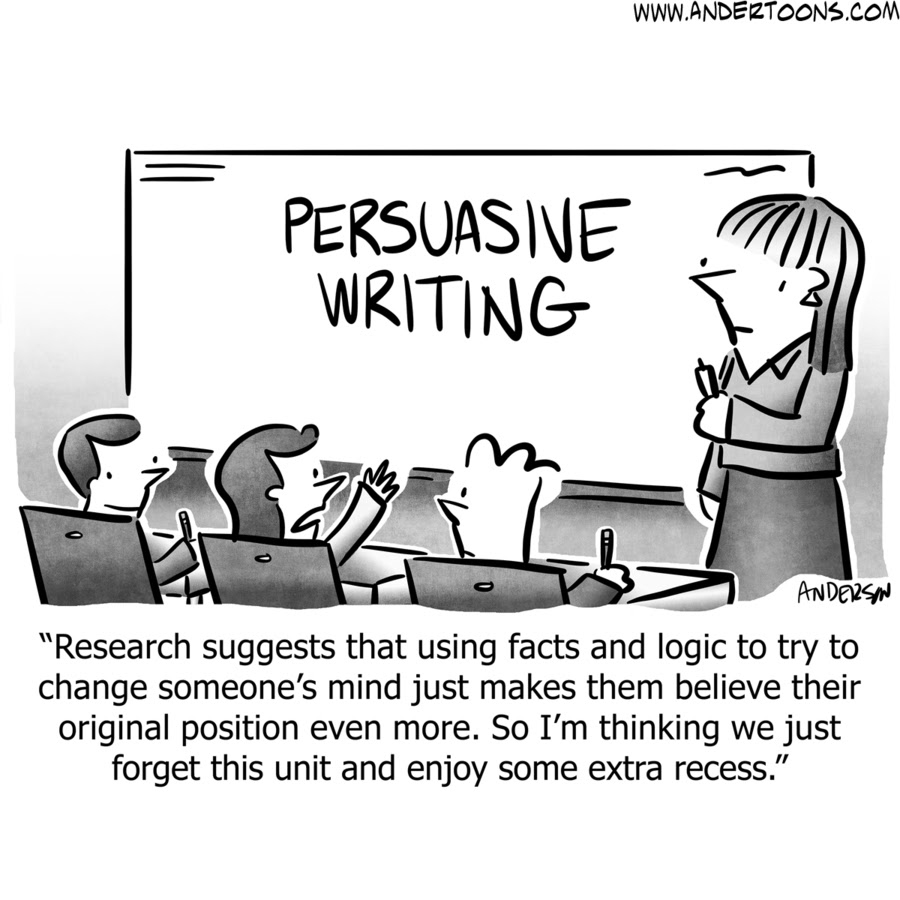
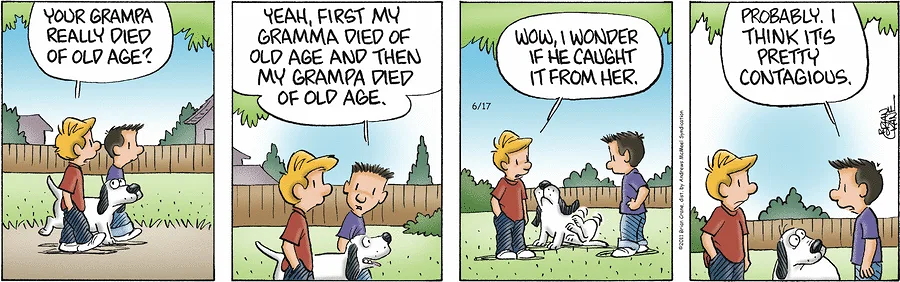
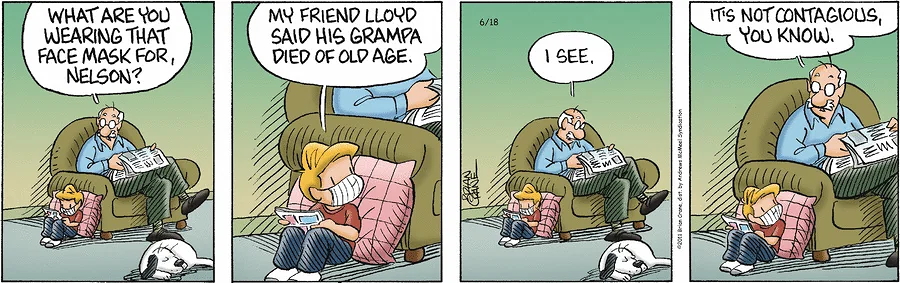
I asked ChatGPT, Perplexity, and Claude if the student in yesterday’s comic was correct.
comic — the teacher is talking about persuasive writing and a student says “Research suggests that using facts and logic to try to change someone’s mind just makes them believe their original position even more. So I’m thinking we just forget this unit and enjoy some extra recess.” Some commenters ask if that is really true.
They all agreed that the idea is based on one study and was contradicted by further studies. I liked ChatGPT’s answer the best, so here it is:
Researchers have found that when people hold a strong belief that is tied to their identity, political tribe, religion, or worldview, simply presenting contrary facts can sometimes cause them to defend their original position more vigorously. This was dubbed the “backfire effect.”
However, later research found that the backfire effect is much less common than originally thought. In many cases, people do update their beliefs when presented with good evidence. The problem is that facts alone are often not enough when emotions, identity, or social belonging are involved.
A more accurate summary would be:
Amen to that! More on this tomorrow.
June 18, 2026
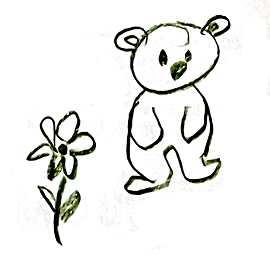
Linda Sand said she thought it looked sad. I think it looks young and innocent. The feet reminds me of the sleepers Kaitlin wore as a baby.
Here she is with her proud father.
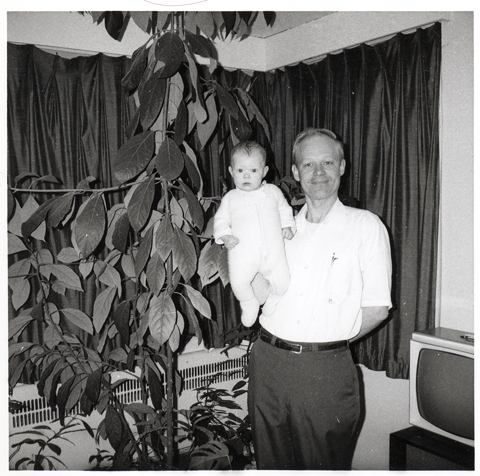
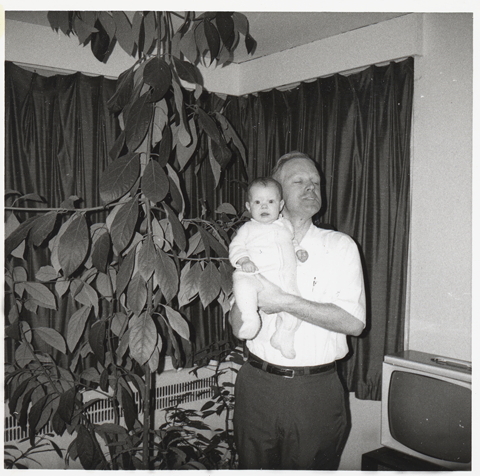
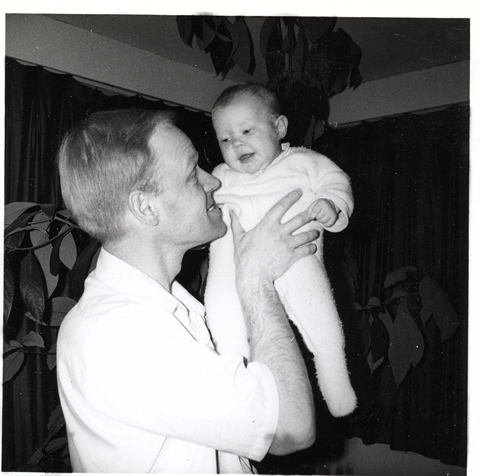
And here she is when she was a little older.
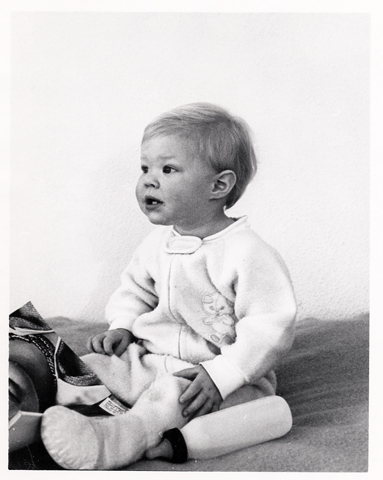
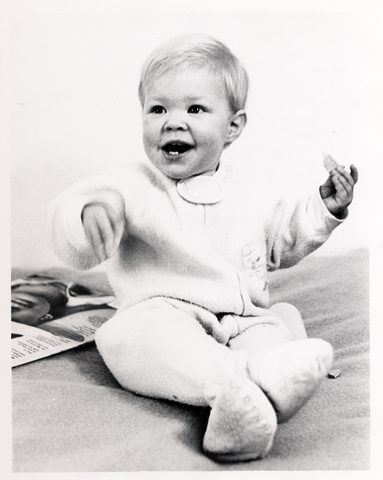
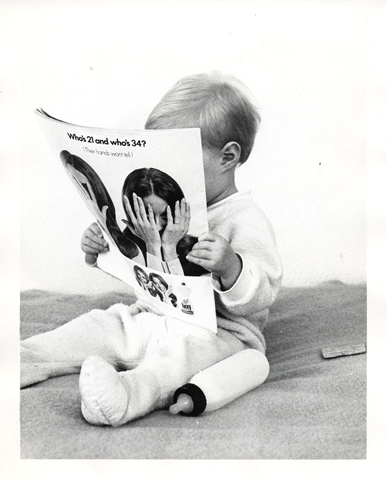
Heartwarming memories.
June 16, 2026
That Amazon delivery: The missing item I wrote about came Saturday, but they charged me for it again. Once I found the “call me” option on their site, the matter was easily settled. But it was tricky to find that option, so I think next time I’ll try phoning them directly and see if that works better.
Phone Call 1-888-280-4331 (available 24/7). Say “representative” or press 0 to skip the automated system.
Brain teaser: What four-letter word can be written forward, backward and upside down and still be read from left to right?
June 15, 2026
The quality of our lives depends on how we focus our energy and our attention.
Focus on what you want, not on what you don’t want.
Make the best use of what is in your power, and take the rest as it happens.
—Epictetus (~50-135 AD)
Between stimulus and response there is a space. In that space is our power to choose our response.
—Viktor Frankl
Stay curious and open to life. No matter what happens keep learning and growing. Find what you love and find a way to share it with others.
I thought of these a lot yesterday morning as I spent an hour or two with Century Link while they verified there was problem with our internet line and scheduled a repair trip. Someone is supposed to come out on June 24 between 8 am and 5 pm. Fingers crossed!
I think the most interesting thing is they couldn’t schedule a repair unless I gave them a cell phone number. Apparently our landline number is useless for that. It isn’t a problem for us, but I do think it’s funny.
While I was waiting for responses from the fellow on chat I played with doodling. This is my favorite,
The others weren’t worth saving, but that’s fine too. Doodling is for the fun of it, not for results.
June 14, 2026