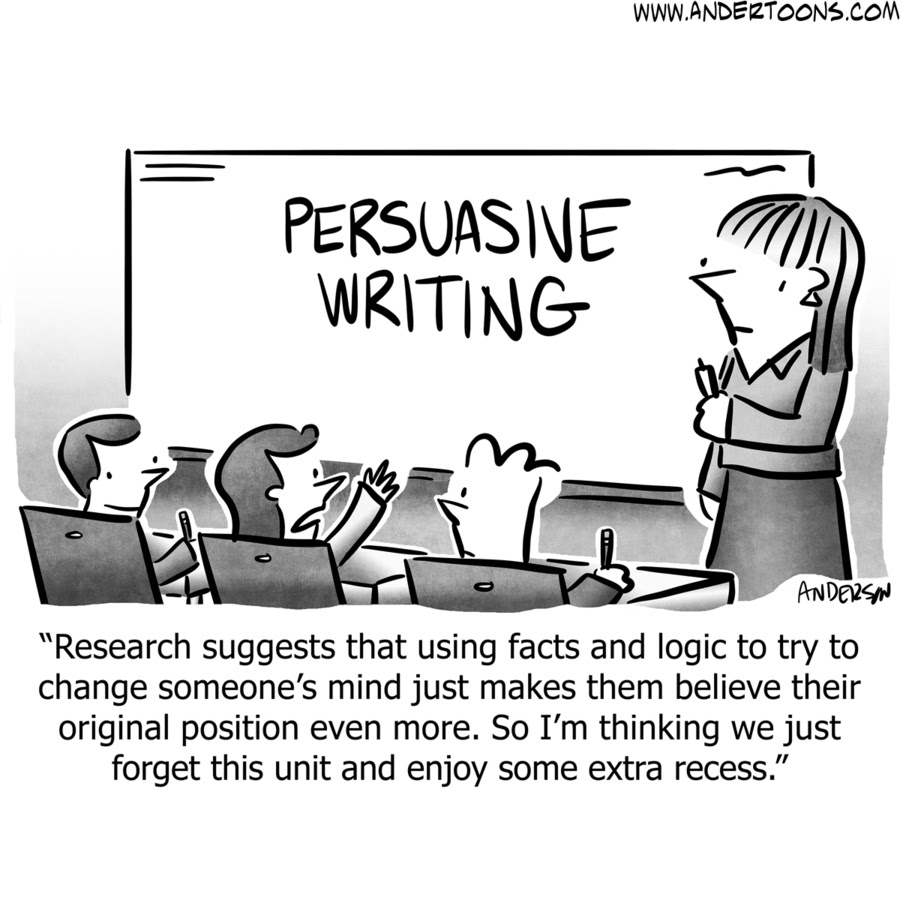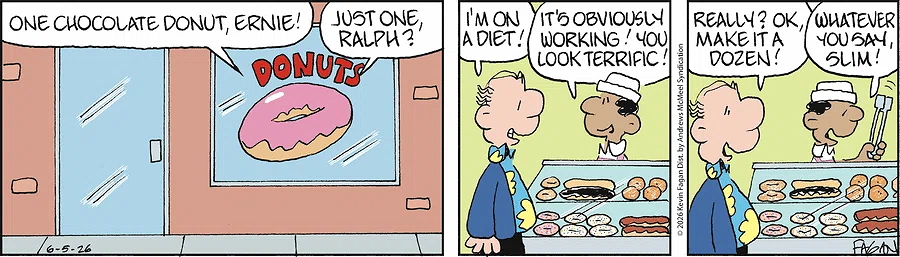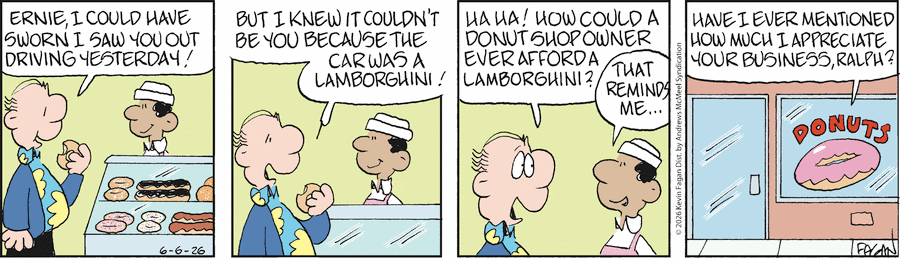
That was Stephen Covey’s fifth habit in The 7 Habits of Highly Effective People.
Yesterday’s post reminded me of him, so I asked ChatGPT what he would suggest about discussing political views. It wrote:
Start with genuine curiosity.
- Ask questions.
- Try to understand not just what they believe, but why they believe it.
- Listen until they feel understood.
Build an emotional bank account.
- Build trust and respect, create openness.
- If people feel attacked, they become defensive and stop listening.
Look for shared values.
- Most political disagreements are not about whether people value freedom, security, fairness, opportunity, or community.
- They are often disagreements about how best to achieve those values.
Describe your view rather than argue for it.
- Explain your reasoning and experiences.
- Avoid trying to “win.”
- Be willing to learn something yourself.
Practice humility.
- Covey often emphasized principles over ego.
- Enter the conversation recognizing that your own understanding may be incomplete.
Aim for a “third alternative.”
- One of Covey’s favorite ideas was that there may be a better solution than either side currently sees.
- Instead of “Who’s right?” ask, “What are we missing?”
If the other person remains unmoved, Covey would probably consider the conversation successful if there was greater mutual understanding. He often taught that influence flows from trust and character more than from clever arguments.
I agree about trying to understand where other people are coming from, but I personally don’t try to persuade other people. I do share articles and my opinions with like-minded friends, and I also look for articles that interview people who have other opinions and try to understand why they think the way they do. Polarization is real.
Yesterday Ann commented:
This makes me wonder if people are leaning more towards their original beliefs or is it based on how much they oppose the opposition.
I’m thinking in political terms here. I know a person who is very democratic. I don’t know if she believes in her candidate as much as she opposes the other.
This article agrees with her. It says that some voters think their values are so different from the opposition’s that they perceive the other party as a threat. They will vote for a seriously flawed candidate in order to defeat the other party.
And, of course, there’s the question of where people get their information. I subscribe to sources that get good ratings for fact checking from Media Bias/Fact Check.
The world is changing fast, and a lot of those changes are scary. But I’ve always been interested in history, so I figure if I have to live through it, I might as well learn something from it all.
June 19, 2026